


Editorial on the UNESCO-IHE website, by Ken Irvine:
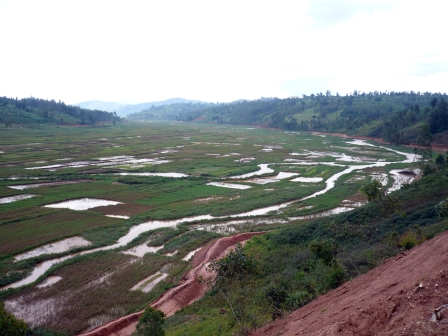 “In the Netherlands, we celebrate Dutch engineering that keeps the country dry. The Dutch have crafted their skills of water management over 600 years, as a necessity for choosing to live below sea level; engineering the landscape, and even the wetlands such as the Biesbosch. While we marvel at engineering ingenuity, we can’t forget the natural engineering provided by ecosystems, with wetlands a particularly good example.
As natural “shock absorbers” the green infrastructure of wetlands attenuate flooding, reduce nutrient enrichment to downstream lakes, rivers, and coastal regions, moderate local climate, support diverse human livelihoods and are havens of biodiversity. From beautiful rotifers to intricate plant communities; from large wetland antelopes to the specialised skills of bird species, wetlands are wonders of evolution and a joy to the senses….Read full post
 How a tiny, spotted insect is helping farmers in Pakistan’s Balochistan province fight back against pests, without a single drop of chemical pesticide.
 IWMI’s Niranga Alahacoon spoke to Channel Eye of the Rupavahini Corporation about the ENSO Outlook, explaining how Sri Lanka can use the tool to prepare for climate risks.
 After a year of engagement, IWMI researchers give a behind-the-scenes look at how they ensure water plays a bigger role.
 Key takeaways from World Water Week 2026 and what they mean for the 2026 UN Water Conference and beyond.
 IWMI's Amare Hailesellasie highlighted that when addressing climate shocks like El Niño, water management is the first line of defense.