


Kenya
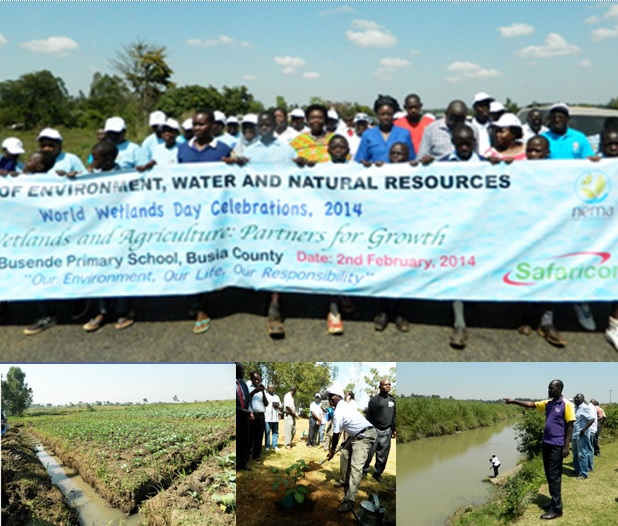 Numerous individuals and their institutions have worked extensively and tirelessly in the preparations to mark the World Wetlands Day 2014 and its build up activities through the National Organizing Committee (NOC) coordinated by the National Environment Management Authority – NEMA- Kenya. The World Wetlands Day 2014 celebrations would not have been made a success without the efforts of these individuals and their institutions. For that, we would like to acknowledge with appreciation all the committee members both at the local and national levels respectively….. Download the full Report

Bukavu, DR Congo
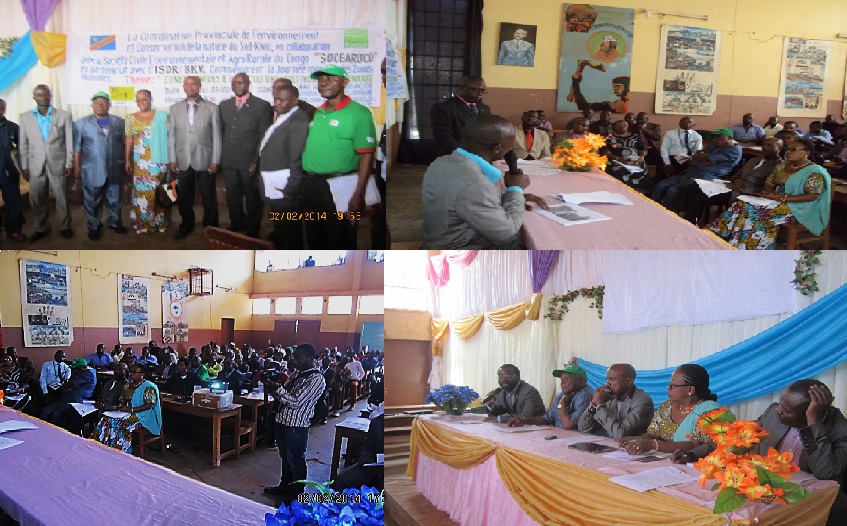 The opening ceremonie by the moderator (expert in invironnment of AASF& SOCEARUCO Net work in South Kivu province), He is talking about the aim followed by the WWD celebration in BUKAVU DRC wich aims to awareness decision makers for the protection, conservation et wise use of wetland and their ecosystems services. He clamed to shaw that the debate will scientific but a commemoration and share of information on sustainable management of wetland in DRC and relative policies in DRC…. Download a presentation of the celebration
Presentations shown during the ceremony:
Burkina Faso
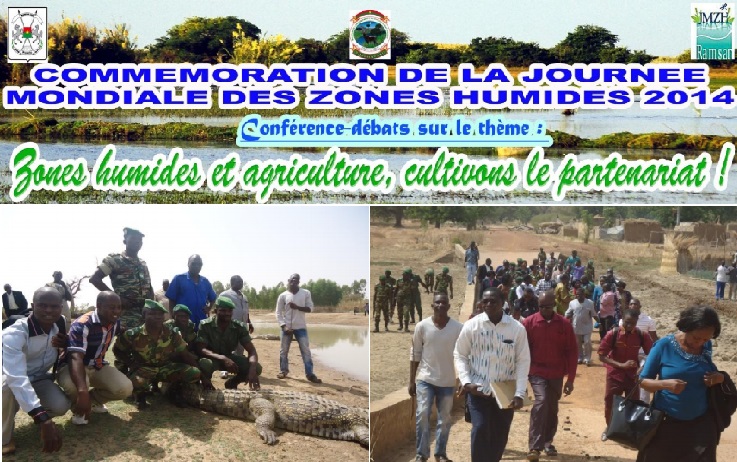 Le 2 février de chaque année, date anniversaire de la Convention de Ramsar sur les zones humides, est consacré Journée Mondiale des Zones Humides. La Journée Mondiale des Zones Humides est une manifestation internationale qui met à l’honneur les zones humides et la gamme de biens et services qu’elles procurent. Elle est devenue la première campagne de la Convention en matière de
sensibilisation aux valeurs et avantages des zones humides en général et de la Convention de Ramsar en particulier. Le thème choisi par la Convention pour l’année 2014 est : « Zones humides et agriculture, cultivons le partenariat ! ». Le choix de ce thème a été surtout guidé par la proclamation par l’ONU de l’année 2014 « Année internationale de l’agriculture familiale »… Download the full report
 How a tiny, spotted insect is helping farmers in Pakistan’s Balochistan province fight back against pests, without a single drop of chemical pesticide.
 IWMI’s Niranga Alahacoon spoke to Channel Eye of the Rupavahini Corporation about the ENSO Outlook, explaining how Sri Lanka can use the tool to prepare for climate risks.
 After a year of engagement, IWMI researchers give a behind-the-scenes look at how they ensure water plays a bigger role.
 Key takeaways from World Water Week 2026 and what they mean for the 2026 UN Water Conference and beyond.
 IWMI's Amare Hailesellasie highlighted that when addressing climate shocks like El Niño, water management is the first line of defense.